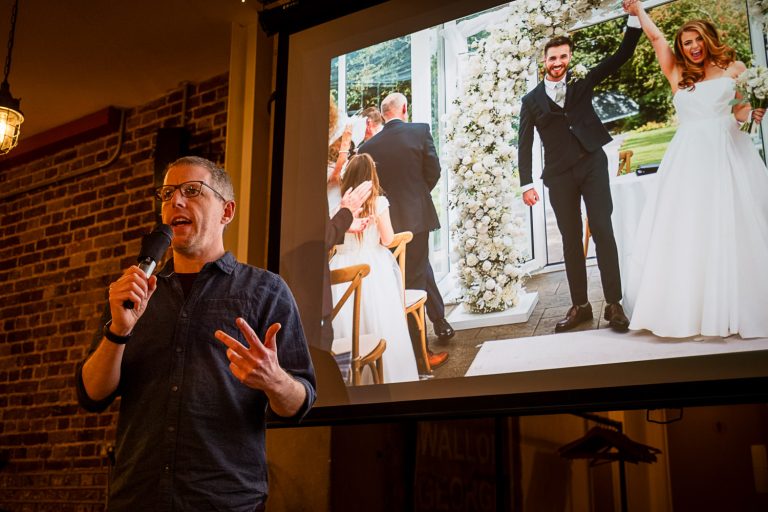
Why I Shoot With Prime Lenses and How It Affects Your Photos
When I first started photographing weddings, I did what most photographers do: I used zoom lenses. They’re convenient, they cover nearly every focal length you could need – from 24mm all the way to 200mm – and you can adapt instantly without changing lenses. On paper, it sounds ideal for a fast paced wedding day.
But very early in my career, after attending a workshop that completely changed how I saw composition and storytelling, I made the switch to prime lenses. I haven’t looked back. In fact, nearly all of my favourite wedding photographs – the ones that still make me pause when I look at them – were created with primes.
Using prime lenses isn’t a stylistic quirk or a gear preference. It fundamentally shapes how I shoot, how I move, how I think and ultimately how your photos feel.
Primes Make Me More Present in the Moment
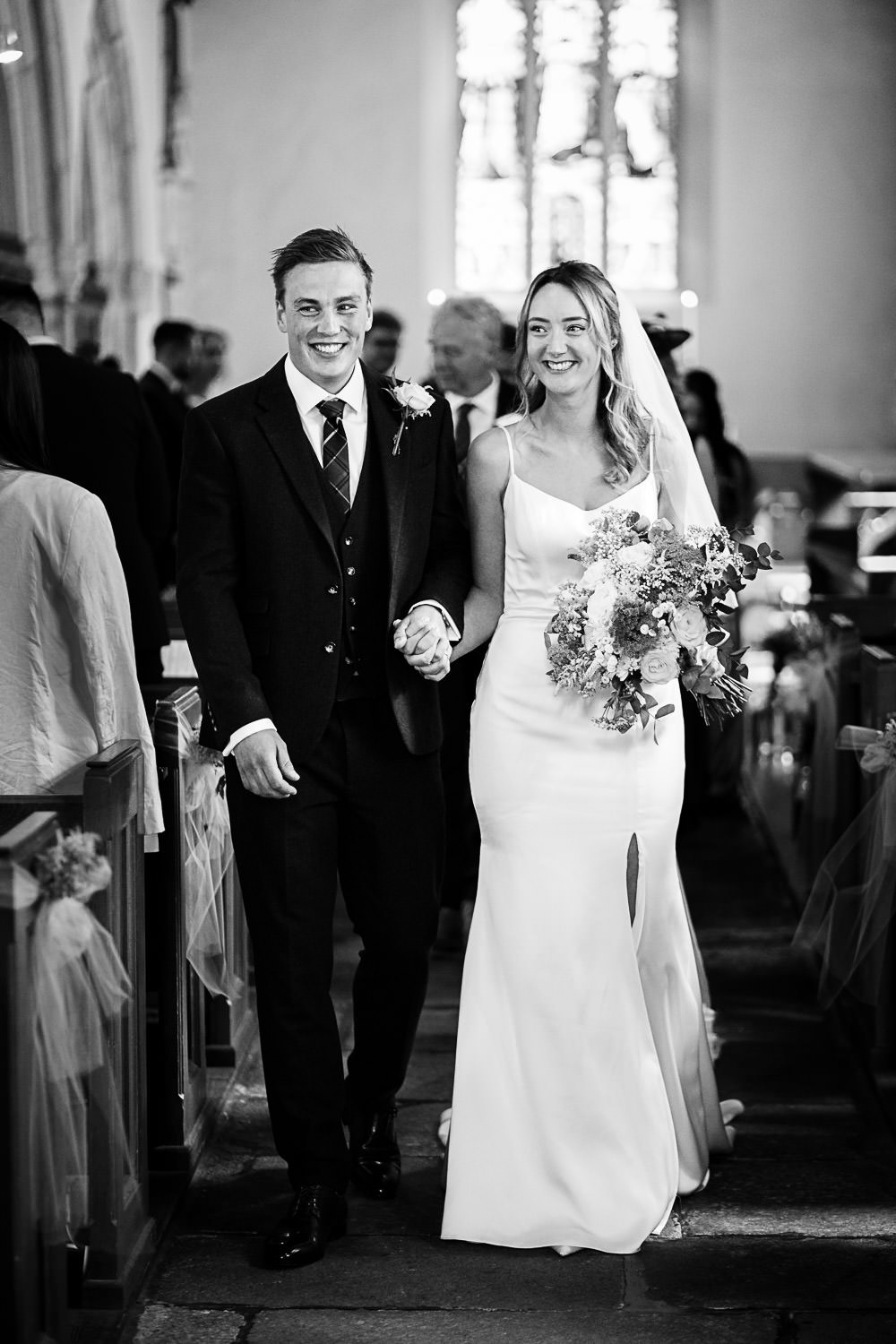
One of the biggest differences between zooms and primes is the physical involvement. With a zoom lens, you can stay in one spot and let the lens do the work. It’s easy to stay at a distance and rotate a ring rather than move your feet. Primes remove that option completely. You can see what impact this has by looking at some of my favourite unscripted wedding moments, all shot with primes.
If I want to recompose or tighten a frame, I walk. If I want to step back, I move. It sounds simple, but it changes everything. Moving with intention means I’m in the scene, not orbiting it from the edges. I’m closer to the laughter, the emotion, the chaos, the energy and that closeness translates directly into the final images.
Your photos feel more connected, more alive and more personal. Not because I’m taking more photos, but because I’m physically present with the moments as they unfold.
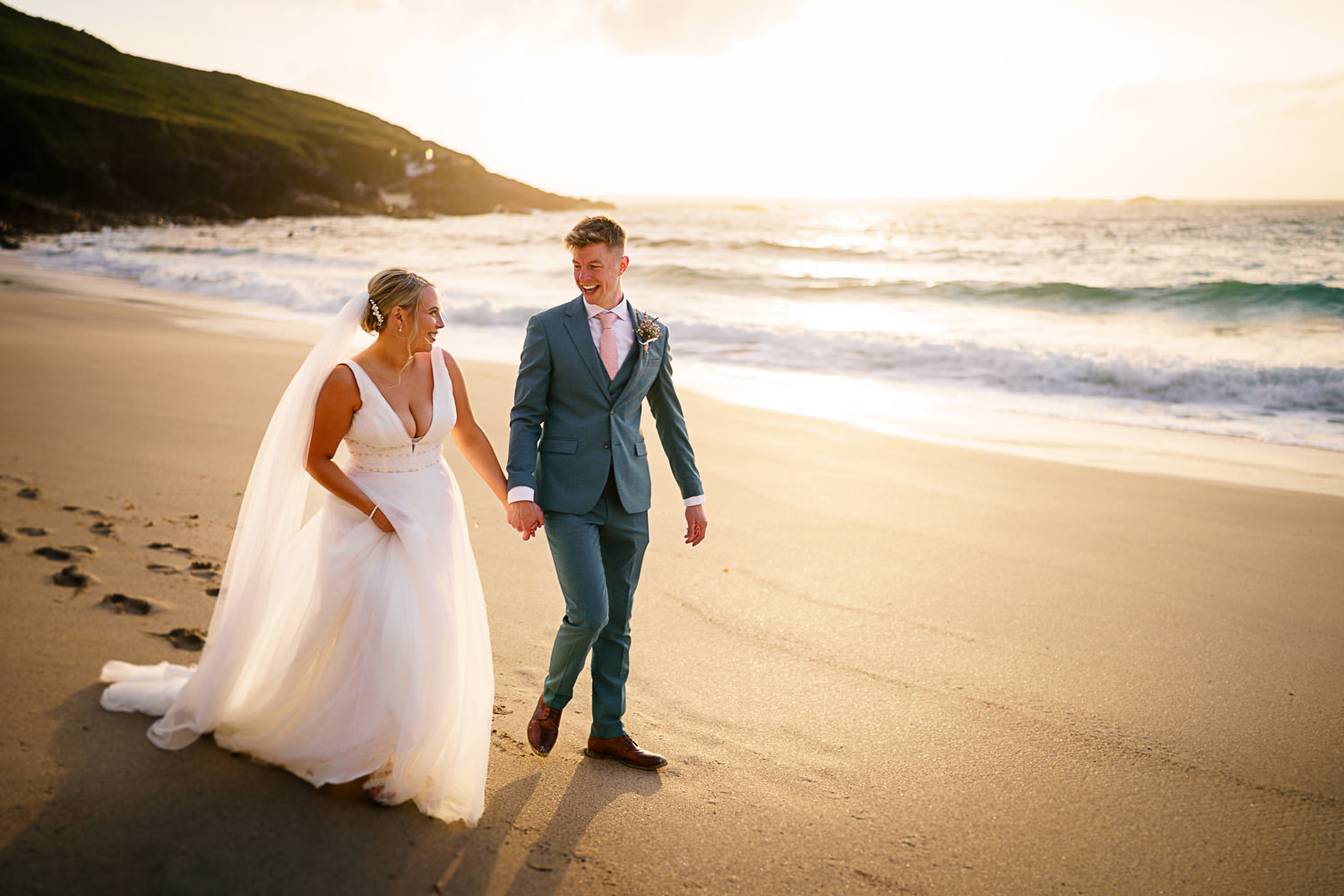
My Go To Wedding Pairing: 35mm + 85mm
Throughout most of the wedding day, you’ll see me carrying two cameras. One fitted with a 35mm lens and the other with an 85mm. This pairing gives me two very different ways of interpreting the same moment:
– 35mm lets me capture context, relationships and atmosphere. It pulls the environment into the story and places you right in the heart of the moment.
– 85mm compresses the scene, isolates emotion and creates beautifully intimate portraits or reactions without needing to step into someone’s personal space.
This combination means I’m always ready, whether I’m photographing a quiet moment between the couple, a hilarious speech, or a fast-moving scene during prep. I don’t need to pause and think, “Which lens should I use?” – the options are already there and I can react instantly and intuitively.
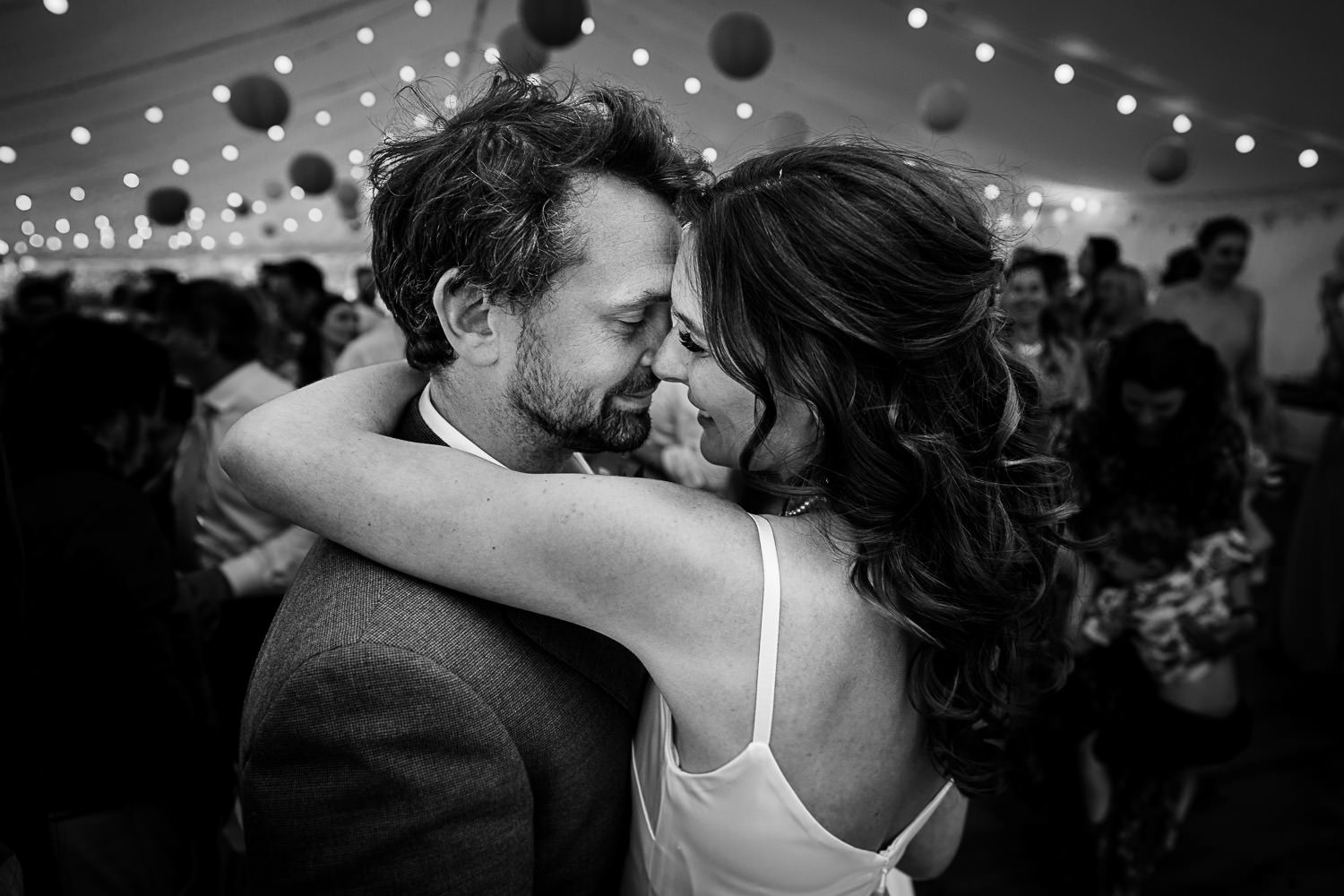
For the dance floor I switch to a 24mm. It lets me get close and keep the energy in the frame. You can’t shoot the dance floor from a distance and expect to feel the chaos or joy. The 24mm allows me to be right in the action without losing clarity or atmosphere.
Why I Carry Six Prime Lenses
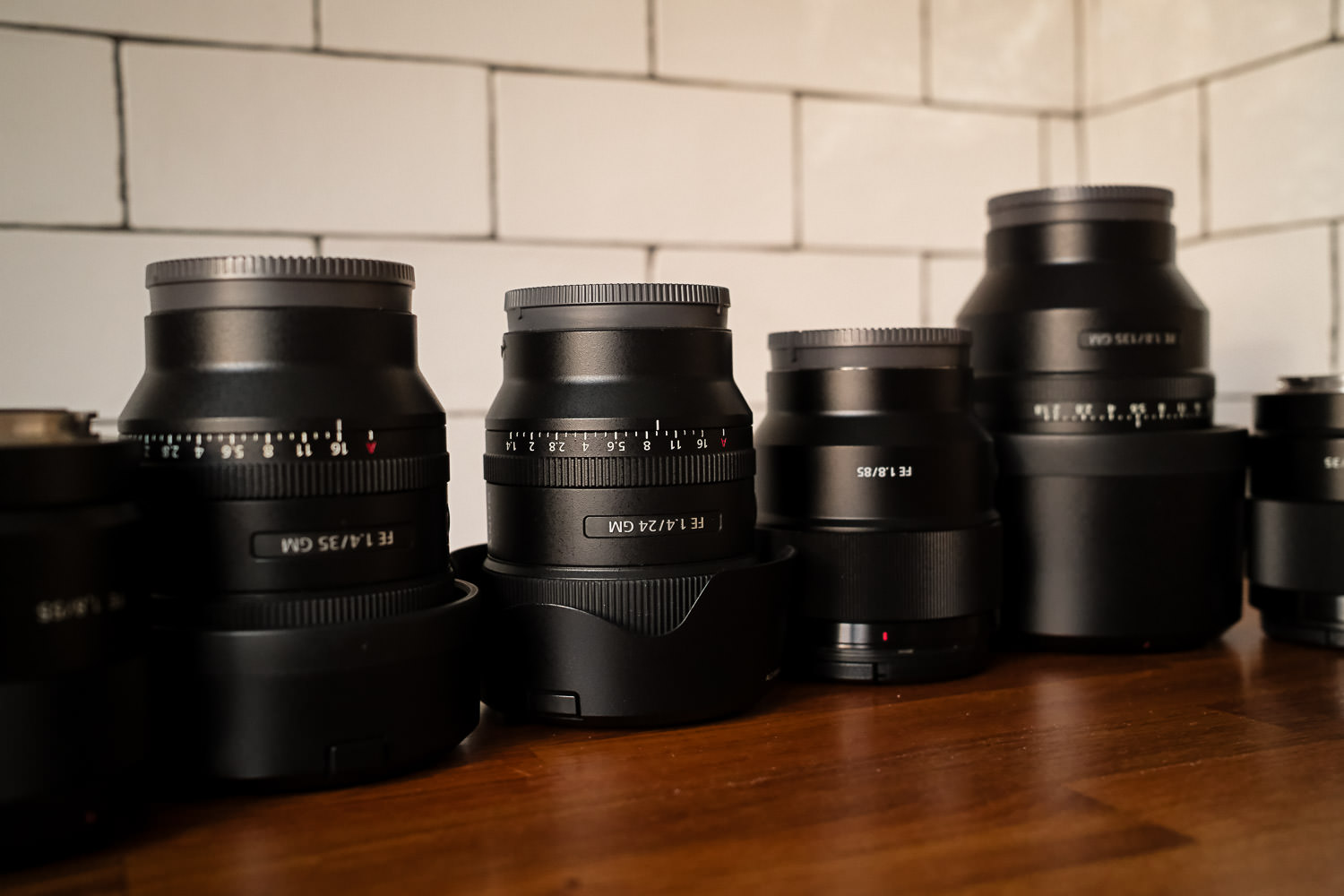
I carry six primes in total – 24mm, 35mm, 50mm, 85mm, 135mm and a back up 35mm as it’s my most used lens. It’s not because I need them all the time. It’s because weddings are unpredictable and every environment has its unique angles to work with. You might be ale to tell I like to be prepared, and how I edit and store my wedding photos is no different. You can see my entire photo back up process here.
A few examples:
– Small, tight churches often work better with a 50mm rather than a 35mm because the longer focal length creates cleaner compositions across the narrow aisle.
– Outdoor ceremonies might call for the 85mm to pick up subtle expressions without stepping into the aisle.
– Wide landscape portraits come alive with the 24mm.
It’s less about having lots of gear and more about choosing the right tool for the moment so your photos feel natural and beautifully composed without forcing anything.
The Advantages of Primes
1. They’re Faster
Prime lenses allow more light in, meaning I can shoot at faster shutter speeds even in low light. That’s essential for winter weddings, candlelit ceremonies, and dark dance floors.
2. They’re Lighter
Wedding days are long. Carrying heavy zooms for 10–12 hours affects how you move. Lighter cameras make me quicker, more responsive, and able to float through a room without drawing attention.
3. They Offer Beautiful Depth of Field
Primes give that gorgeous depth – the gentle blur, the soft fall-off, the separation that makes the subjects pop without feeling overly stylised. It adds dimension to the moment without taking anything away.
4. They Encourage Better Intentionality
With a fixed focal length, you stop “zooming to fix” a composition and start thinking deeply about how to frame and tell the story. It sharpens your eye and improves your ability to read a scene.
How This Affects Your Photos
Shooting with primes isn’t about being arty or unconventional. It’s about how the photos feel. With primes, your images:
– Feel more honest and immersive
– Carry depth, texture, and richness
– Capture the atmosphere of the space rather than flattening it
– Have consistent, intentional compositions
– Feel closer, more emotional, more connected
Primes push me to be present, responsive, and woven into your day—not an observer on the outside looking in. And that closeness is what makes your wedding photos feel like they were taken inside the memory, not from a distance.
About the Author
Lee Maxwell is a wedding photographer based in Devon, specialising in capturing unscripted moments and the authentic atmosphere of a wedding day. With over a decade of experience photographing large and intimate weddings, all with different lighting conditions and schedules to navigate, Lee’s photography has been featured by leading publications like Rangefinder Magazine and Wed Magazine. His approach is rooted in being an unobtrusive presence, allowing real moments to unfold naturally to tell a truer story of the day. When writing these wedding guides, Lee draws on his extensive on-the-day knowledge to help couples prioritise experience over poses, ensuring their memories are as effortless and heartfelt as the day itself. You can explore more of his work in his portfolio.