Why Backup Systems Matter & How I Handle Mine
One of the things couples rarely see, and probably rarely think about, is what happens to their wedding photos after the day is over. You spend months planning, you choose every detail with care and you trust me to capture it in a way that feels true to you. For me, that trust doesn’t end when I leave the dance floor. Once the cameras go back in the bag, a completely different part of the job begins: keeping your memories safe.
Wedding photography isn’t just about taking good pictures. It’s about protecting them. That’s why backup systems matter so much and it’s why I’ve shaped my entire workflow around the idea that no single piece of equipment should ever hold the only copy of your day. Two cameras, two cards – everything in duplicate.
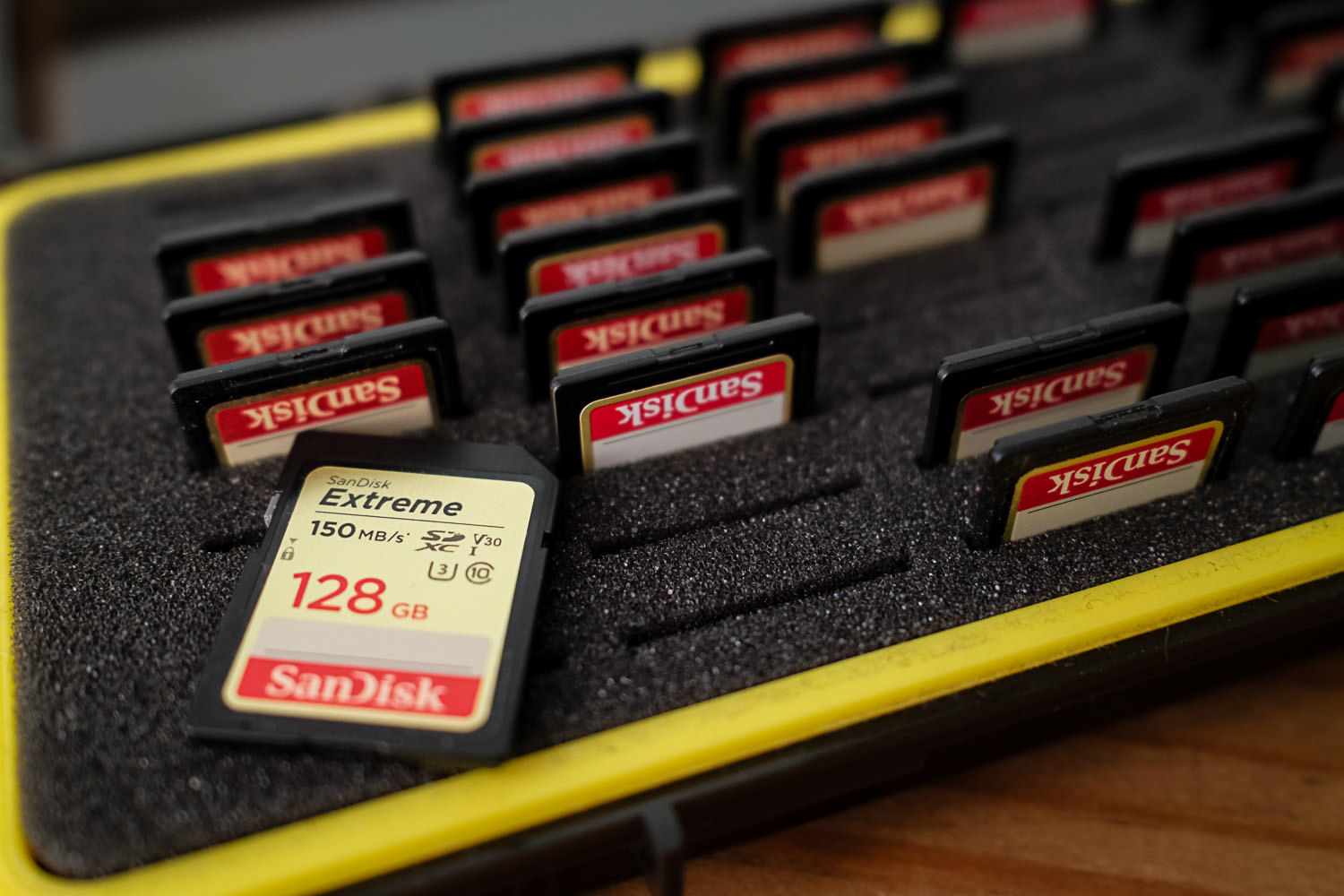
I photograph every wedding with two cameras on me at all times. Not for the sake of looking like a walking camera shop, but because it’s the most reliable way to stay ready for whatever happens next. You can deep dive into my camera bag here. Each camera holds two SD cards, both recording the same images simultaneously. Every frame – every hug, every glance, every chaotic confetti moment – is immediately duplicated from the second it’s captured. If one card were to fail (it’s never happened to me yet), the images still exist on the other. I don’t rely on luck. I rely on systems that don’t leave room for chance.
Step One: Getting Everything Off the Cameras
When I get home after a wedding the first thing I do is transfer your photos to my main hard drive. A typical wedding day for me is anywhere between 6,000 and 10,000 RAW files and that can easily be 300GB or more. Even though it’s late, I won’t leave the cards untouched until morning. I want your photographs in at least two places before I sleep. It’s a ritual at this point: unload the cards, make a copy, check the files, breathe.
Step Two: The Cloud Backup Begins
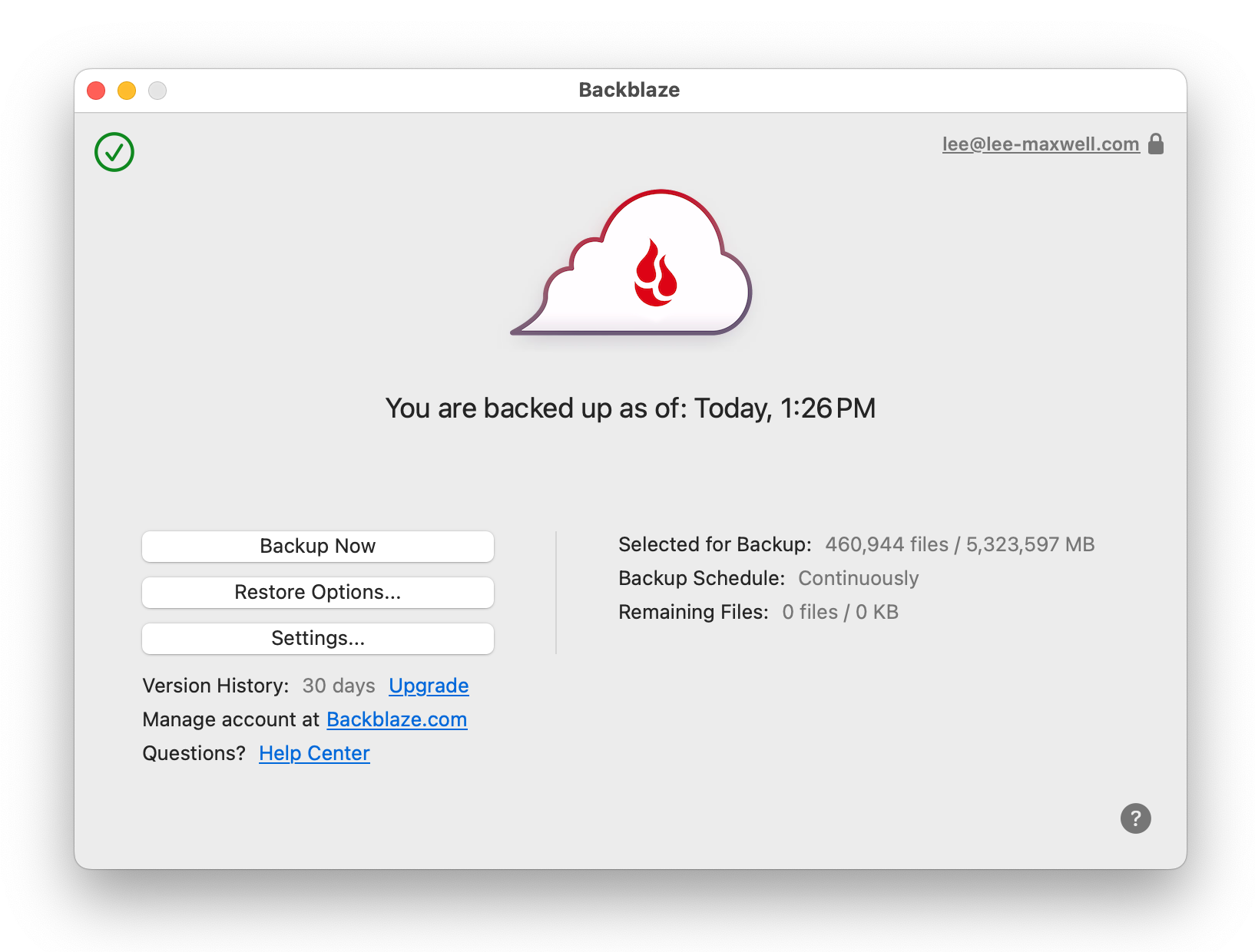
I use Backblaze for my cloud backups. It quietly runs in the background, syncing every wedding I import to an off-site server. It’s not glamorous, and there’s nothing creative about watching a progress bar slowly climb, but it’s one of the most important parts of what I do. Cloud storage exists in case something catastrophic happened locally. You don’t want all copies of your photos in the same physical location. Backblaze gives me that third layer of protection – something outside my office, outside my control, stored safely no matter what.
By Sunday evening, after a Saturday wedding, I always have:
– Two local copies
– One cloud copy
– Plus the originals still sitting on the SD cards until everything is checked twice
Why This Matters More Than People Realise
Weddings are unrepeatable. That’s what makes them beautiful and emotional and wonderful to photograph but it’s also why I take backups so seriously. There are no do-overs if something goes wrong technically. When couples book me, they get much more than someone who turns up with a couple of cameras. They get someone who treats their photos with the same care after the wedding as during it.
Experience teaches you that the job isn’t finished until the images are protected in multiple places. I’ve been doing this for years, and I’ve learned that reliability behind the scenes is just as important as creativity on the day.
The Previews: Delivered Within 24–48 Hours
While all the backups are working away in the background, I also select and edit a set of preview images. I know how exciting it is to wake up after your wedding and want to relive it all. My couples receive previews within 24–48 hours so they can share them, celebrate and enjoy that fresh wave of memories. These previews come after the backup steps – because even a small batch of images deserves protection before going anywhere.
The Workflow You Don’t See, But Always Benefit From
When you hire me, you’re not just getting someone who knows how to find good light or capture a moment quietly. You’re getting someone who has built a system around safety, consistency and respect for the responsibility I’ve been given. Backup systems aren’t exciting. They’re not creative. They don’t involve fancy gear or dramatic moments. But they’re essential. They’re part of what allows me to photograph weddings with complete freedom, because I know every image is secure from the moment it’s taken. At the end of the day, your photos aren’t data to me. They’re people, memories, stories, relationships. And they deserve to be protected with the same care I take when capturing them.
About the Author
Lee Maxwell is a wedding photographer based in Devon, specialising in capturing unscripted moments and the authentic atmosphere of a wedding day. With over a decade of experience photographing large and intimate weddings, all with different lighting conditions and schedules to navigate, Lee’s photography has been featured by leading publications like Rangefinder Magazine and Wed Magazine. His approach is rooted in being an unobtrusive presence, allowing real moments to unfold naturally to tell a truer story of the day. When writing these wedding guides, Lee draws on his extensive on-the-day knowledge to help couples prioritise experience over poses, ensuring their memories are as effortless and heartfelt as the day itself. You can explore more of his work in his portfolio.