How Street Photography Makes Me a Better Wedding Photographer
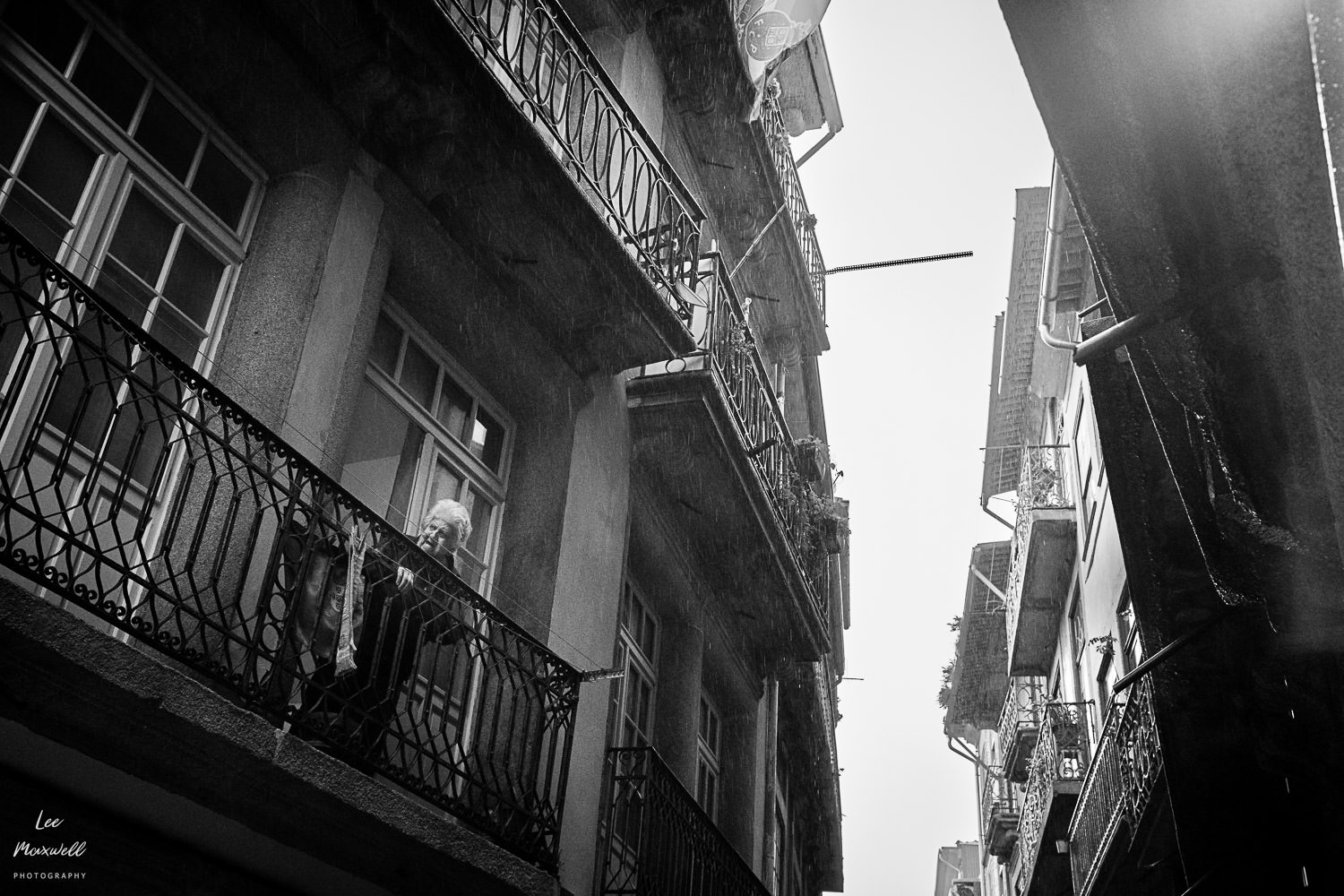
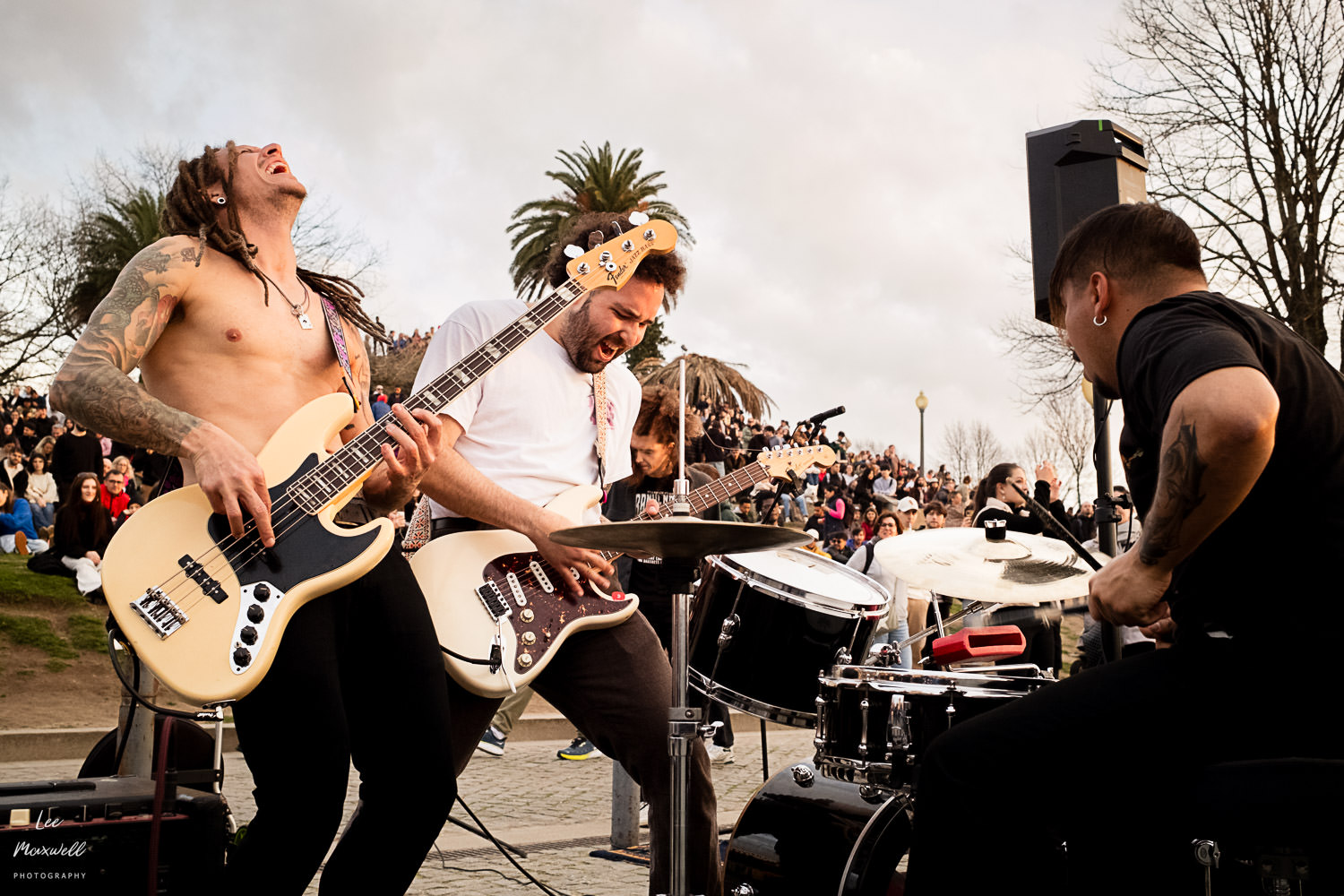
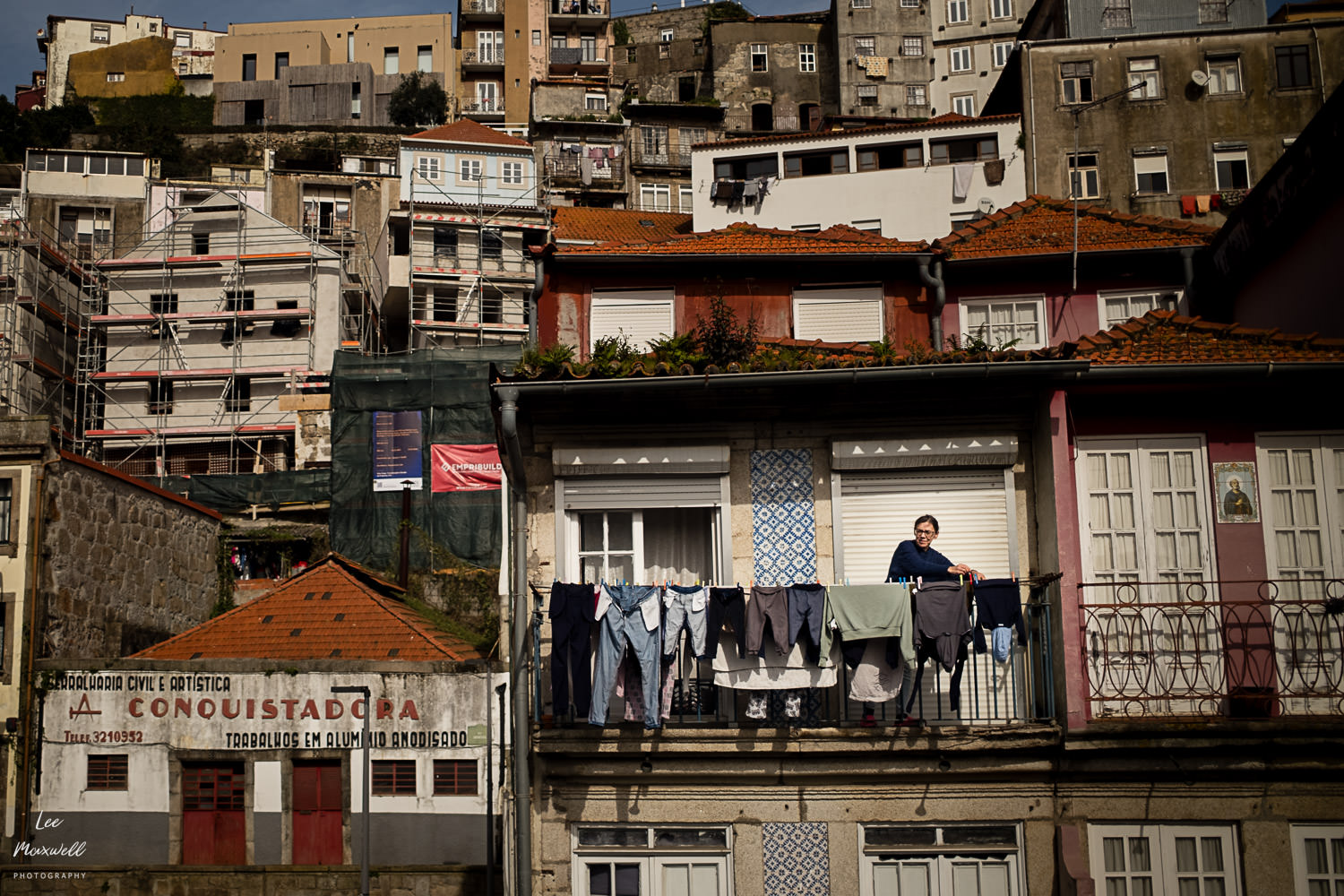
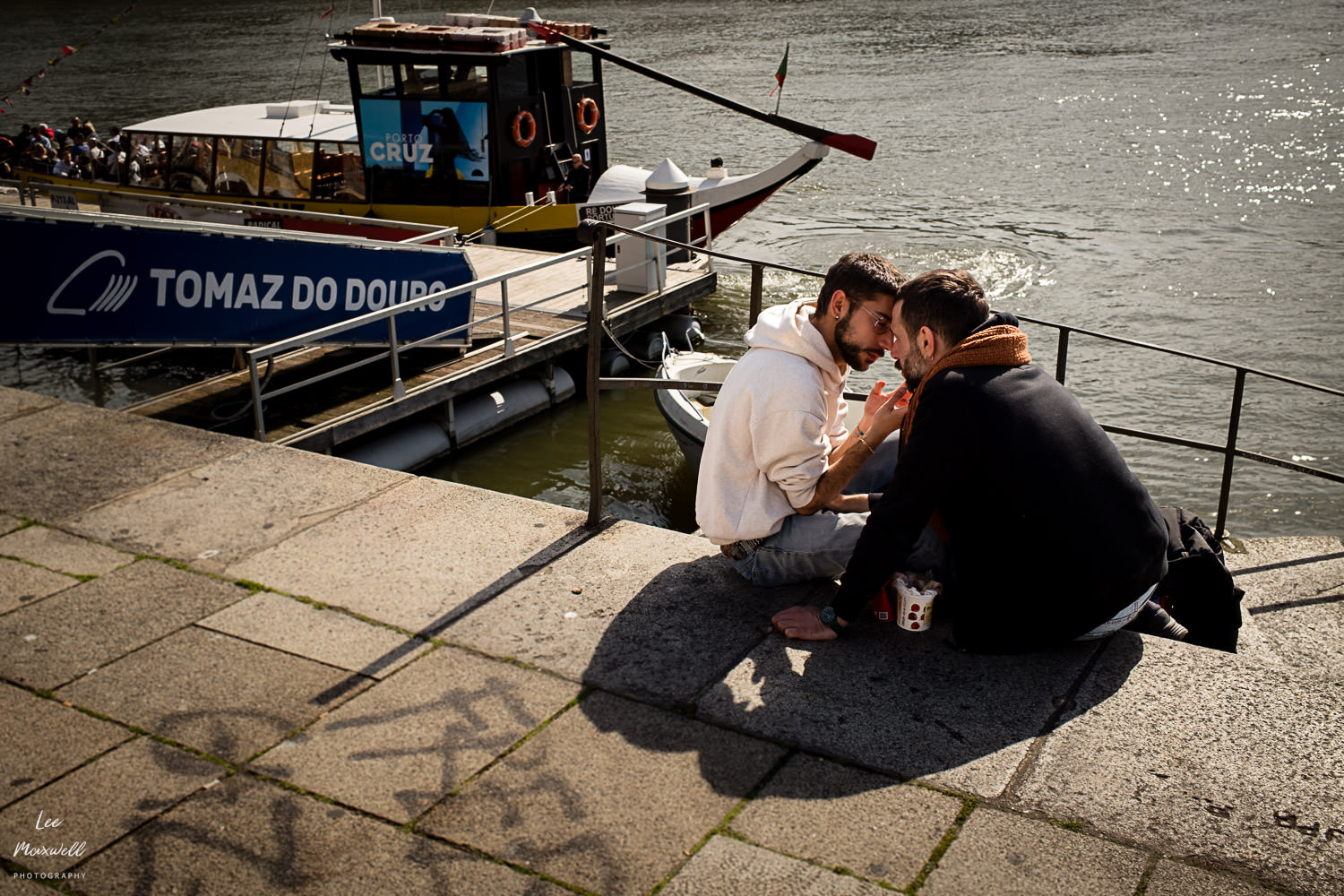
Street Photography In Porto
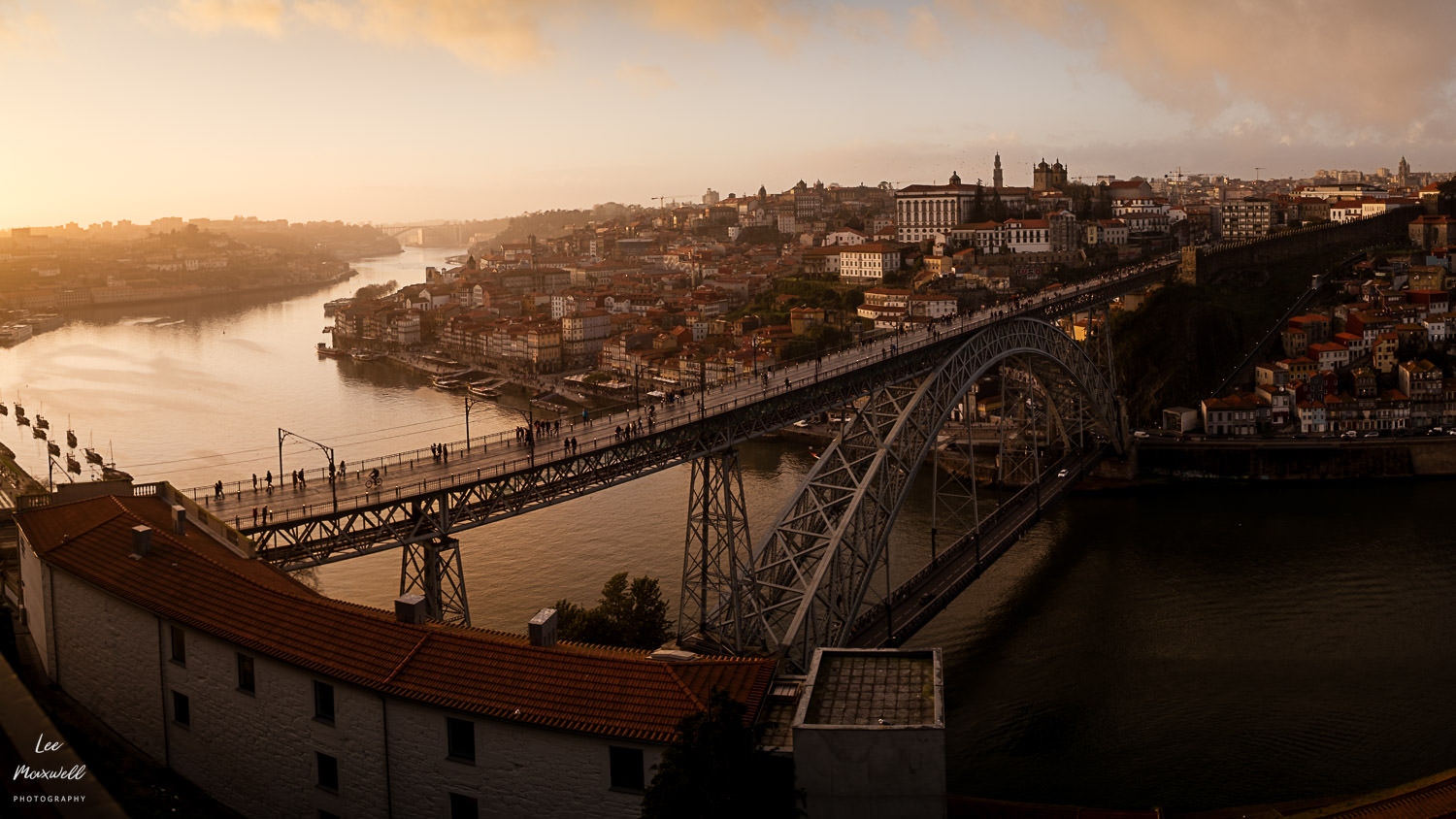
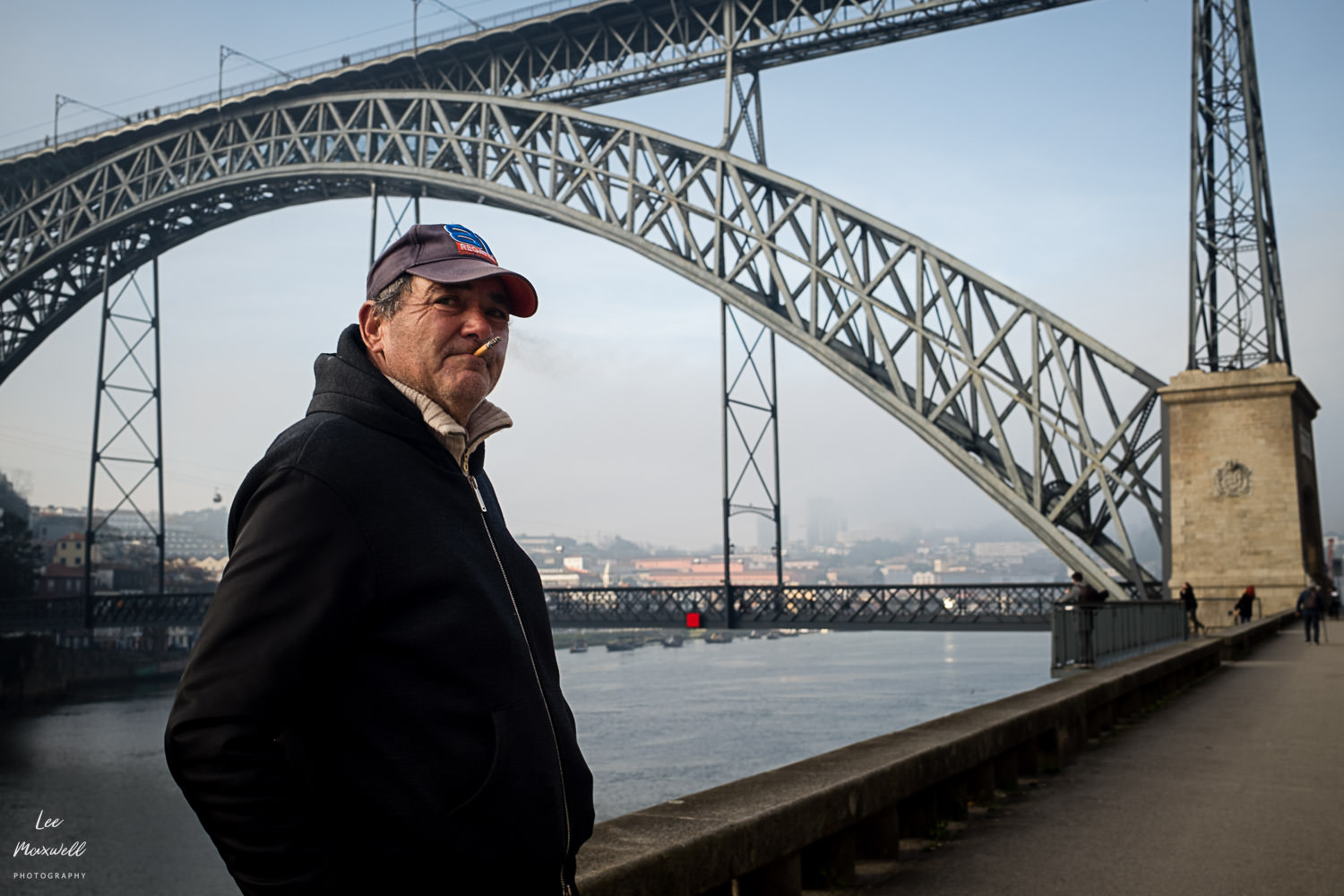
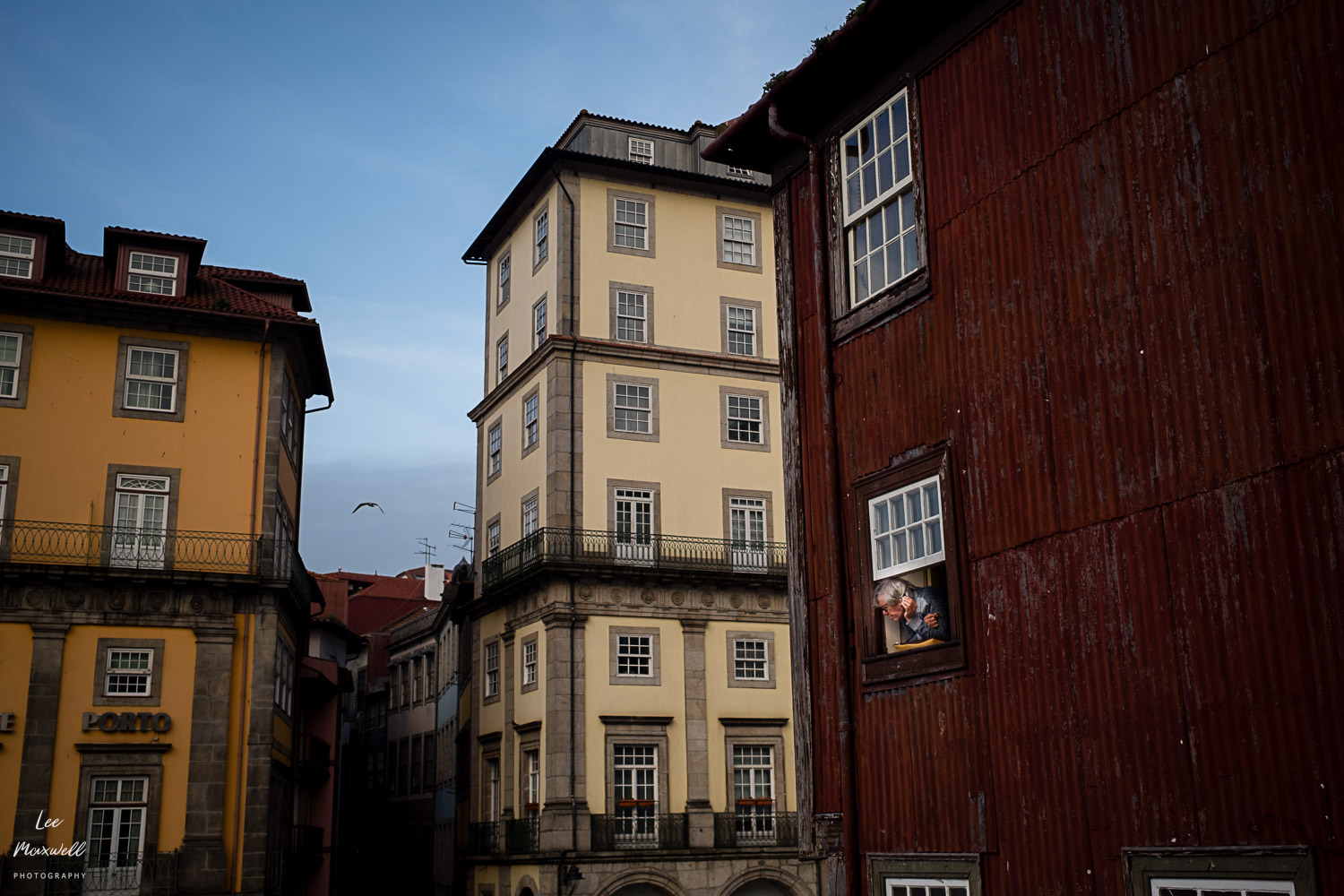
For the past two years, I’ve flown out to Porto in late winter for what has quietly become one of the most important parts of my photography routine. It’s not a holiday and it’s not a portfolio trip, it’s a deliberate reset before wedding season begins. Three days of walking around a beautiful city with a single camera, a single lens and zero expectations. A chance to warm up, dial in my instincts and get my eye properly tuned for the year ahead.
This trip is also the only time I leave my usual wedding kit at home and take just one camera: the Fuji X100VI. It’s small, light, quiet and has a fixed prime lens, which is exactly what I want. Without a bag full of options, I’m forced to work with what I have. No switching between focal lengths. No leaning on the reliability of my Sony A9 setup. Just pure observation, anticipation and movement. This limitation is actually incredibly freeing; the fewer choices I have, the more creatively I shoot.
Prime lenses have always shaped the way I photograph weddings, and using a fixed prime in Porto pushes that even further. It means stepping forward instead of zooming, searching for clean backgrounds, and constantly repositioning myself to make the frame work. It’s a brilliant warm-up for wedding days, where moments unfold quickly and the best images often come from being in the right place rather than having the “right” lens.
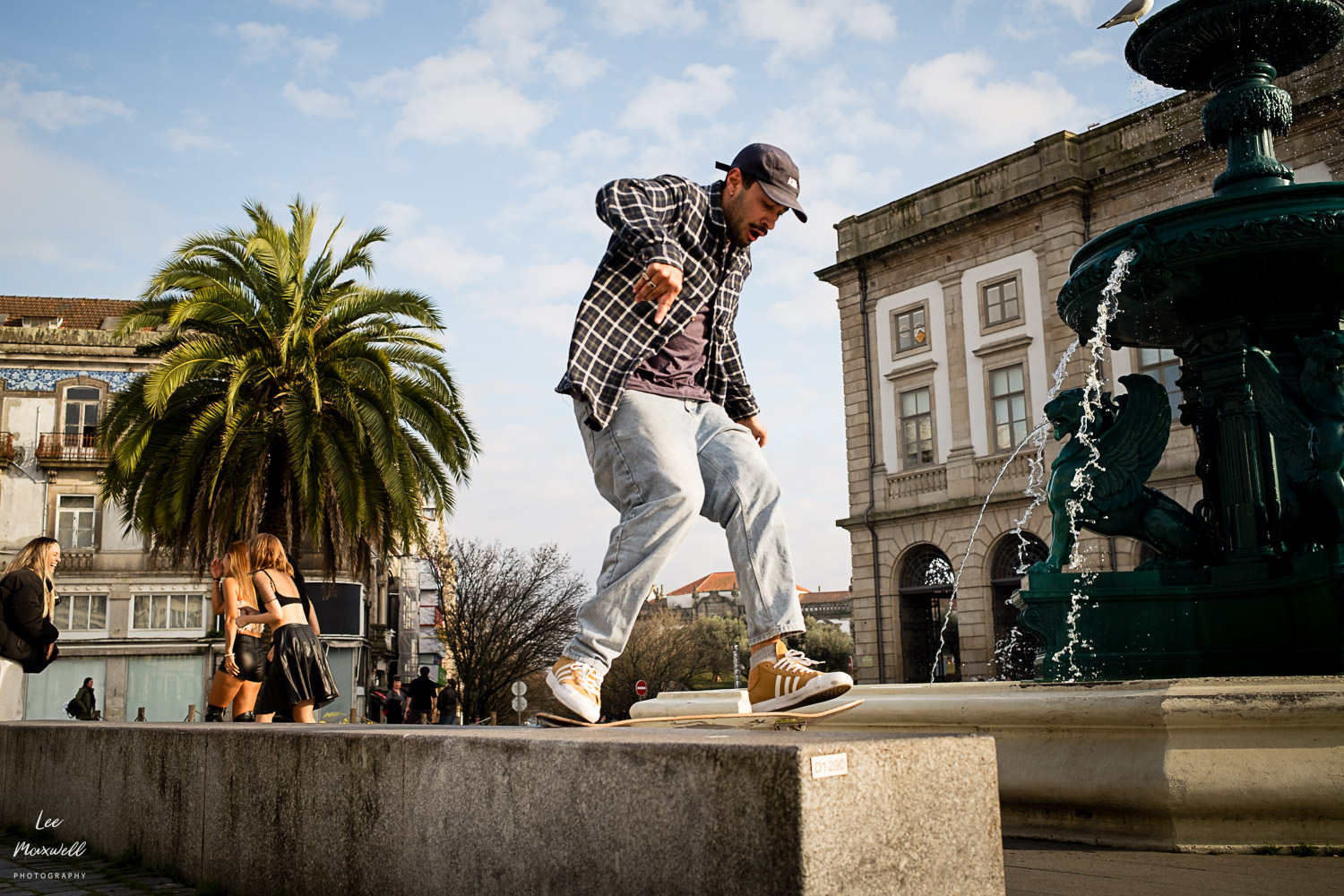
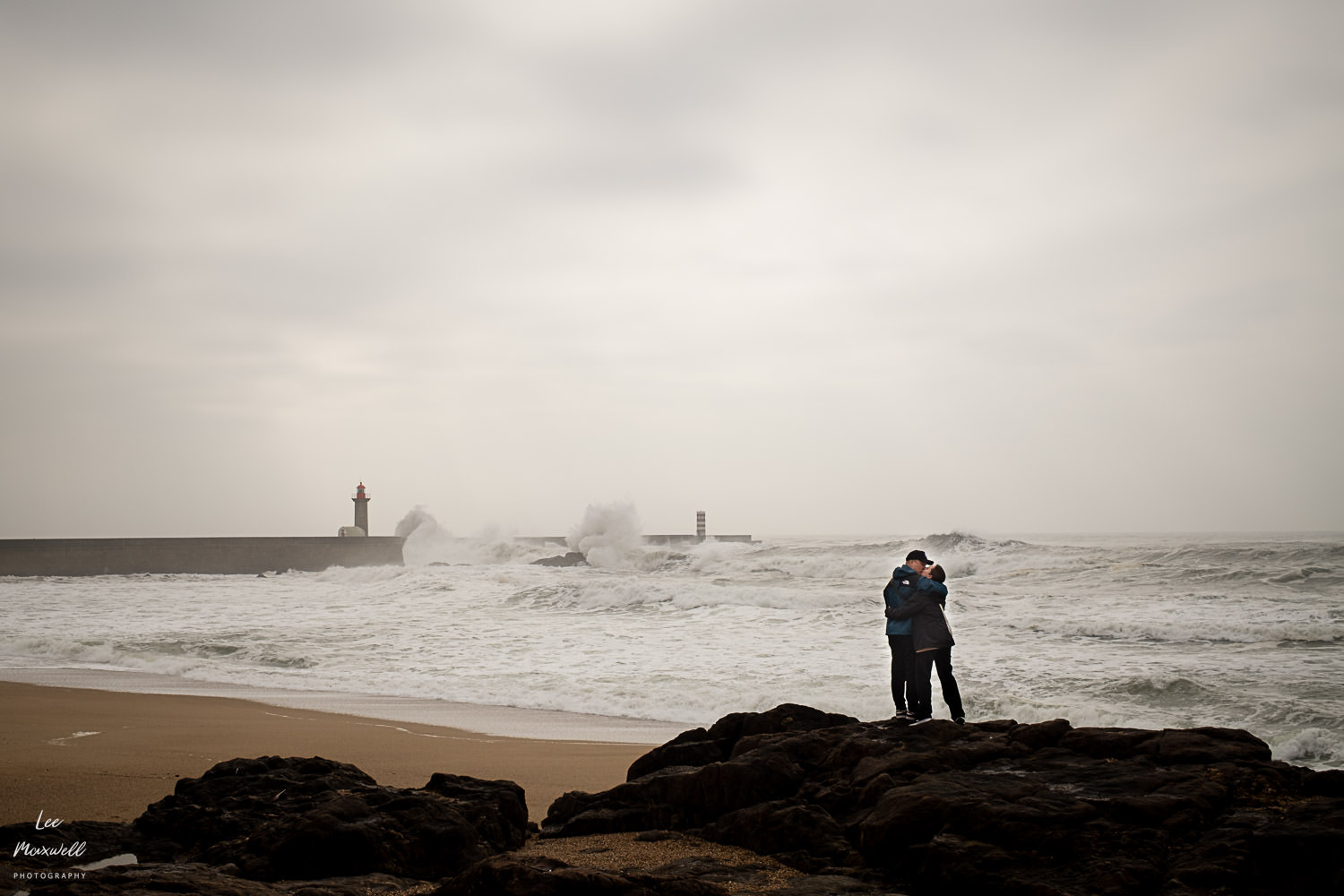
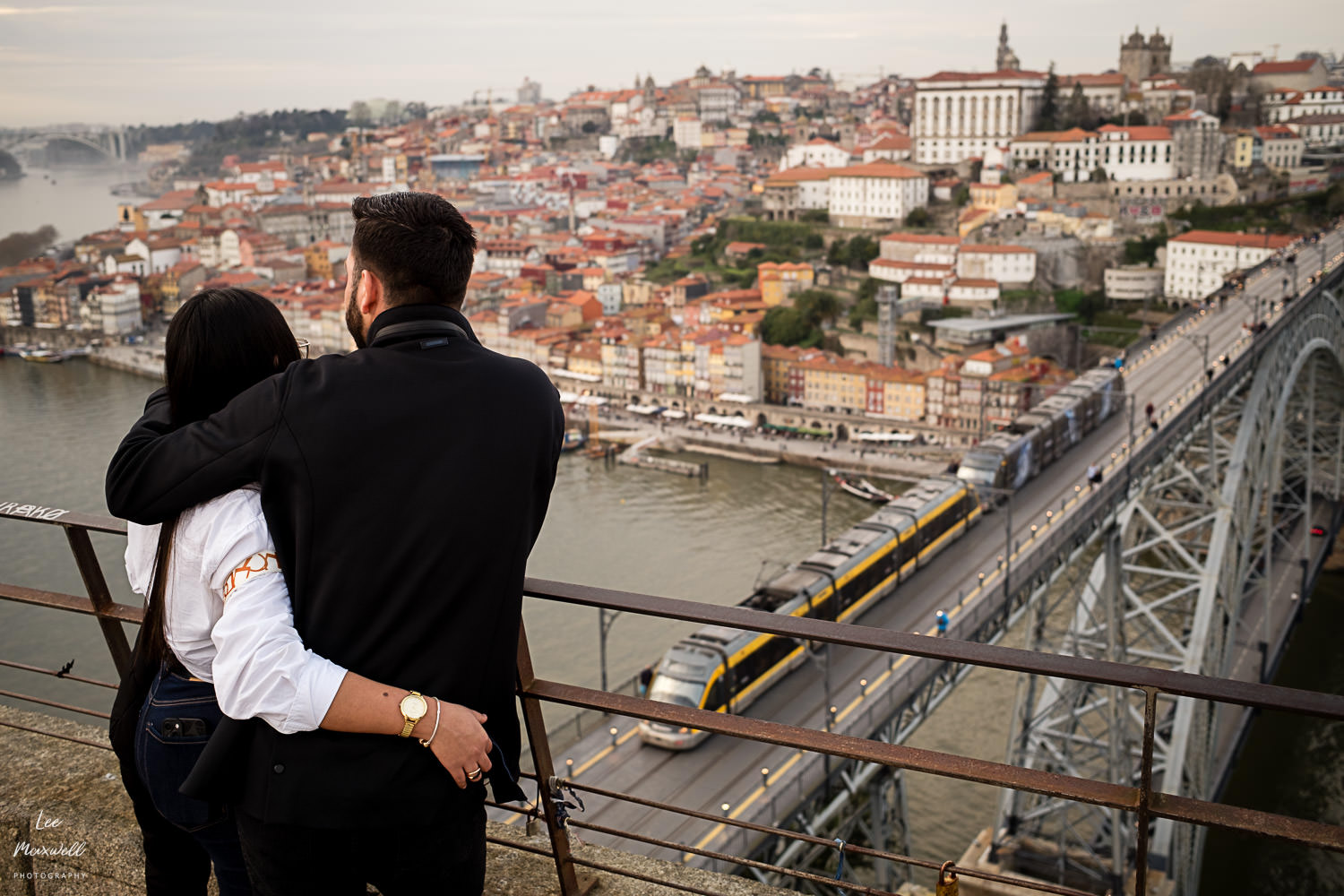
Porto is perfect for this kind of work. Even in winter, the light moves constantly – bouncing off tiled walls, slipping between narrow streets, creating pockets of contrast that shift every few minutes. People spill out of cafés, rush for trams, pause at viewpoints. Nothing is staged, nothing is predictable and you only get one chance to catch a moment. It’s almost identical to how I work at weddings: reacting, anticipating, and shooting instinctively.
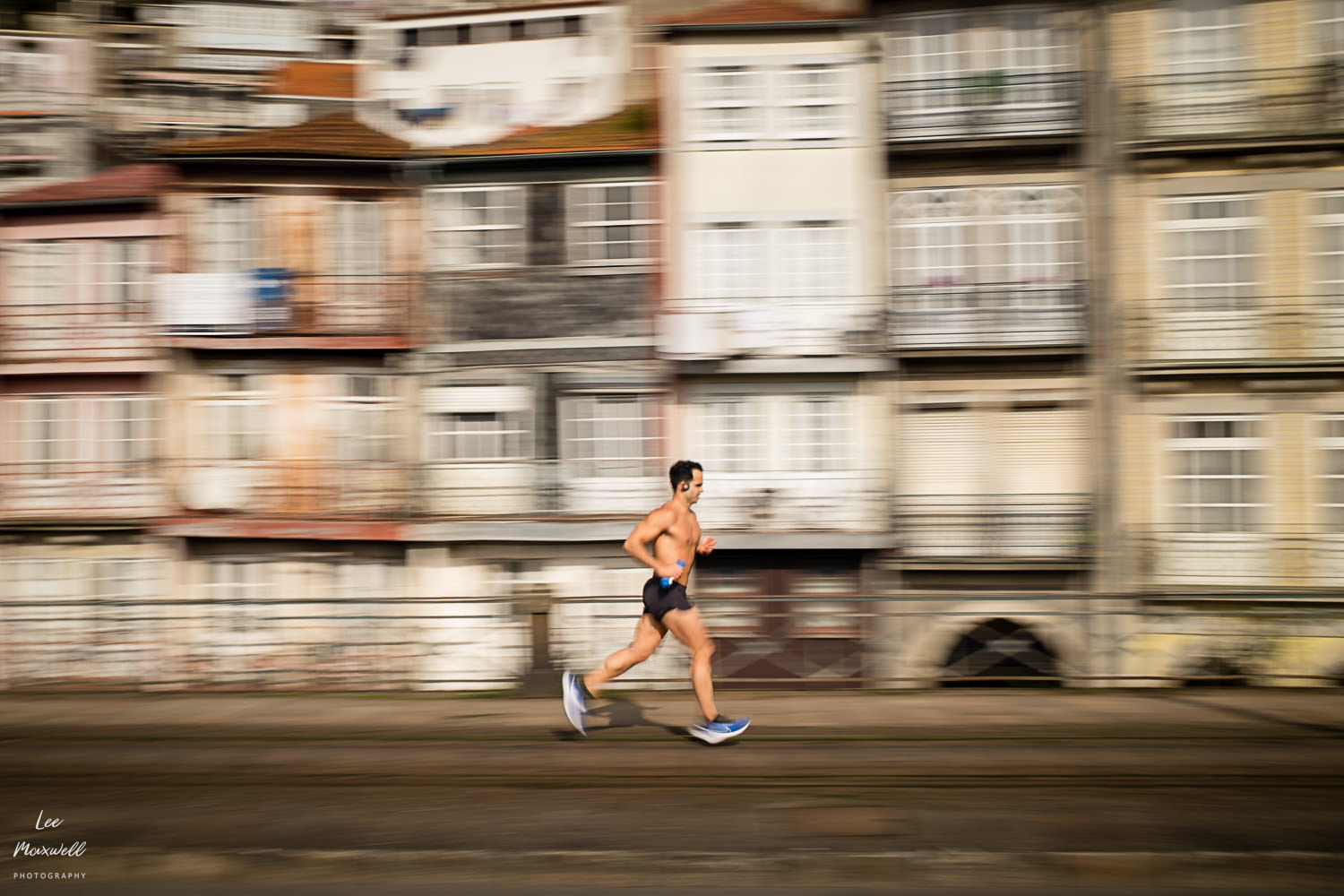
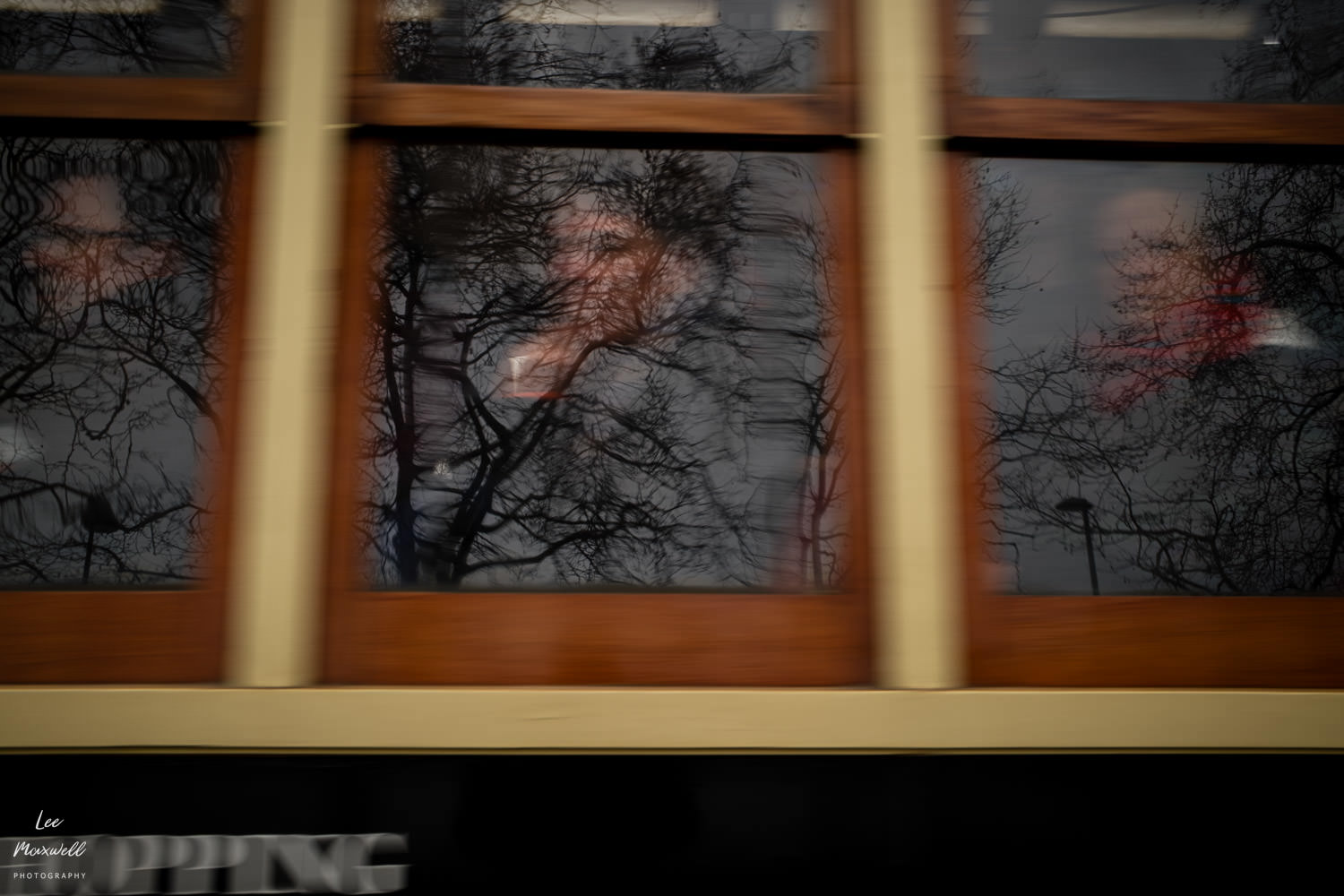
I also use this trip to safely experiment. Weddings don’t give you many second chances, so testing ideas in a low-pressure environment is invaluable. In Porto, I’ll play with slower shutter speeds to capture movement, high ISO to embrace darker scenes, and unusual compositions that might feel too risky in the middle of someone’s ceremony. Some experiments stay in Porto – others evolve into techniques I end up using on dance floors or during evening portraits.
And because I’m walking 20,000 steps a day with just a tiny camera, I’m constantly working. Not every frame is a keeper, but that’s the point. It’s about sharpening timing, training my eye, and reconnecting with the process of simply seeing. Street photography is the perfect crossover discipline for documentary wedding work: it teaches you to notice the small stuff, anticipate human behaviour and make fast, intuitive decisions.
By the time I fly home, I feel creatively tuned, physically warmed up and mentally ready for the season ahead. Porto resets me every year and the skills I refine there always find their way back into the weddings I photograph.